
Facing the 2029 digital TV license expiration, the Senate ICT Commission and Thai PBS met to plan for the future, discussing infrastructure, legal updates, and a national digital platform.

BANGKOK, THAILAND – With the 2029 expiration of digital television licenses on the horizon, the Senate’s Subcommittee on Broadcasting, Television, and Telecommunications held a high-level meeting with executives from the Thai Public Broadcasting Service (Thai PBS) to address the critical challenges and strategic direction for the nation’s public media.
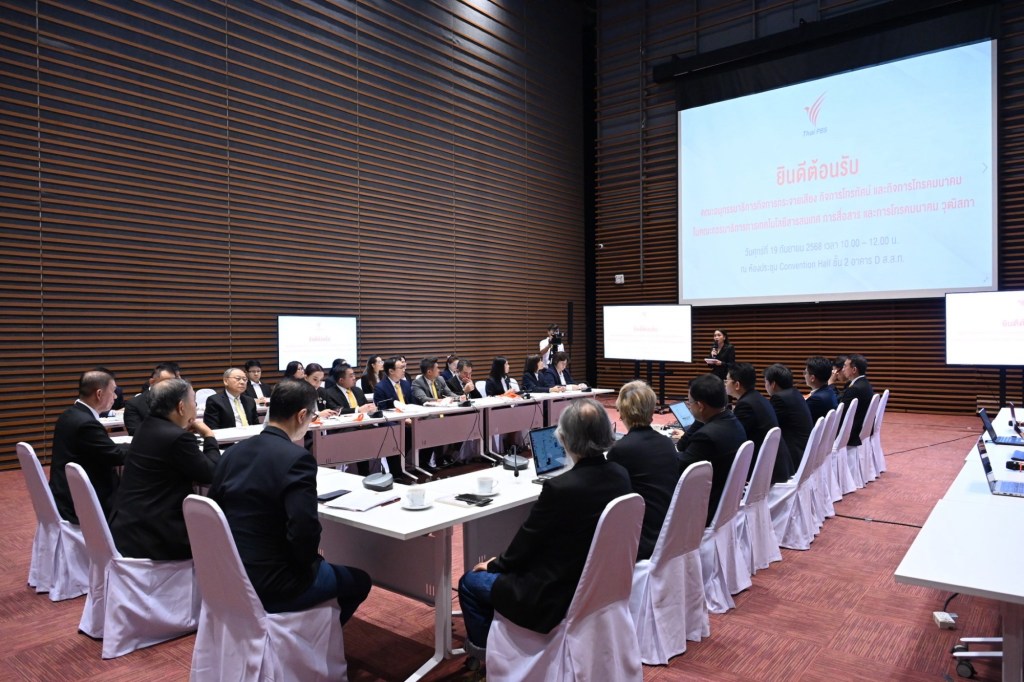
The meeting, chaired by Subcommittee Chairman Mr. Suton Klakarnkhai, focused on creating a proactive roadmap for Thai PBS as it navigates the end of the current licensing era. Key discussion points included the technical and regulatory framework for the digital terrestrial television network post-2029, the development of a national digital platform, and the legal hurdles currently impacting public broadcasting services.

Both parties acknowledged the need for significant infrastructure and policy evolution to keep pace with the modern media landscape. Recommendations emerging from the discussion emphasized several key areas:
- A clear strategic plan for Thai PBS to upgrade its digital infrastructure.
- Enhanced collaboration with government and private sector partners to build a unified national public media platform.
- Legislative amendments to modernize broadcasting laws, ensuring they are fit for the digital age.
- Continuous upskilling of personnel to meet the demands of a rapidly changing industry.

The visit also included a tour of Thai PBS’s production facilities, where the Senate committee observed the broadcaster’s end-to-end operations, from content creation and digital media management to its engineering and network systems.

Mr. Suton Klakarnkhai, who also serves as the First Vice-President of the Senate’s main ICT Committee, affirmed that the insights gained are crucial for shaping national policy.

“The subcommittee will take the comments and suggestions from this meeting to inform our policy studies, which will be presented to the Senate and relevant agencies,” stated Chairman Suton. “This collaboration is beneficial for the future development and enhancement of Thailand’s digital television operations, ensuring that public media remains a vital and accessible resource for all Thais.”

The meeting marks a critical step in a broader national conversation about the future of broadcasting in Thailand, as regulators and industry players prepare for one of the most significant transitions in the nation’s media history.
Key Takeaways;
- The Ticking Clock is Real: The 2029 license expiration is no longer a distant problem. This meeting shows that top-level lawmakers are now actively forcing a conversation to prevent a chaotic last-minute scramble. This is a clear signal that the transition will be government-led.
- Beyond Licenses, It’s a Digital Overhaul: The discussion wasn’t just about renewing broadcast rights. Talk of a “national digital platform” and overhauling infrastructure shows the goal is far more ambitious: to redefine how public media is delivered and consumed across the country in the streaming age.
- An Admission that Laws are Outdated: This meeting is a tacit acknowledgment from the Senate that Thailand’s current broadcasting laws are unfit for the modern media landscape. They are proactively looking to amend the rulebook rather than just enforcing it.
- A Top-Down Strategic Push: The Senate’s direct involvement, rather than leaving this to a regulatory body alone, elevates the issue to one of national strategic importance. It signals that the future of the nation’s media infrastructure is a priority for legislators.
 Visit Bangkok